Kings Road Chelsea removals tips for narrow access moves
Posted on 20/06/2026
If you are planning a move around Kings Road in Chelsea, chances are the property access is tighter than you expected. Narrow hallways, shared stairwells, basement flats, basement-to-street lifts that never quite line up, and busy kerbs all add friction to a day that is already busy enough. The good news? A careful plan makes a huge difference. These Kings Road Chelsea removals tips for narrow access moves are designed to help you protect your furniture, save time, and avoid the kind of last-minute stress that turns a simple move into a drawn-out ordeal.
In this guide, we will walk through the practical side of moving in a tight Chelsea setting: how to assess access properly, how to pack for awkward turns, what to do with bulky items, and when a smaller vehicle or a specialist team makes more sense. If you are comparing support options, it can also help to look at removal services in Chelsea, man with a van support, or the broader Chelsea removals service depending on the size and complexity of your move.
Truth be told, narrow access moves are often won or lost before moving day even begins. Measure first, guess later. That one habit alone solves a surprising number of problems.
Why Kings Road Chelsea removals tips for narrow access moves Matters
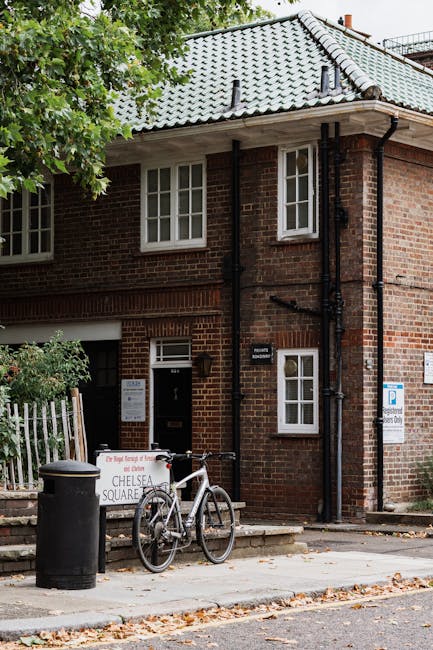
Kings Road and the surrounding Chelsea streets are known for character, not convenience. That character is part of the charm, of course, but it also means movers often face tight front doors, limited hallway space, awkward landings, basement steps, controlled parking, and access points that require careful handling. Even a standard sofa can become a problem if it has to pivot through an older townhouse staircase or a flat entrance with barely enough clearance for the corners.
This matters because narrow access is not just about getting things out of a building. It affects the whole move: vehicle choice, loading order, packing method, time on site, number of crew members, and whether a fragile item survives the journey in one piece. On a busy road, a small delay can also ripple outward quickly. You will notice that one blocked doorway or one late parking arrangement can eat ten minutes, then twenty, then suddenly the day has shifted off track.
People often assume that moving is mostly about lifting. In Chelsea, it is just as much about planning the route. A move that looks simple on paper may need extra coordination if the building sits behind railings, if access is via a narrow shared passage, or if your furniture needs to be carried a long distance from the van. That is why local experience matters. It is not flashy. It is just practical, and practical wins here.
If you are moving from a flat with a tight staircase, it is worth reviewing flat removals in Chelsea as well as broader house removals in Chelsea options, because the access challenge can shape the service you actually need.
How Kings Road Chelsea removals tips for narrow access moves Works
The process starts with access mapping. That sounds formal, but really it means answering a few simple questions: how wide is the doorway, where will the vehicle park, how far is the carry from the van to the front door, are there stairs, and are any items too big to turn safely? Once you know those answers, the rest becomes much more manageable.
A good narrow access move usually follows this pattern:
- Assess the property entrance, stairs, and internal corners.
- Identify bulky items that may need dismantling or specialist handling.
- Choose the right vehicle size so the van fits the location and the load.
- Pack and label by access priority, not just by room.
- Load in the order that reduces unnecessary handling at the destination.
- Allow buffer time for parking, neighbour access, and building movement.
The most important detail is this: the route matters as much as the item itself. A wardrobe that fits through a door might still fail at the turn on the landing. A table that is light enough to carry can still chip a wall if it is moved flat instead of on edge. In tight Chelsea properties, the difference between a smooth lift and a near miss is often a few centimetres.
That is why experienced teams do not just ask, "How many rooms are you moving?" They ask, "What are we moving, and what has to happen to get it out?" That small shift in thinking makes the whole operation cleaner. If you want to compare practical support levels, the overview on services overview is a useful place to start.
Key Benefits and Practical Advantages
When you plan for narrow access properly, you do more than protect the furniture. You reduce disruption, save time, and lower the chance of avoidable damage. That sounds obvious, but in the middle of a move people are often juggling a hundred small decisions. A bit of structure helps.
- Less damage to property: corners, bannisters, walls, and doors are all safer when items are measured and wrapped correctly.
- Fewer handling problems: knowing what can be dismantled or stacked saves a lot of back-and-forth.
- Better time control: the crew is not improvising every five minutes.
- Safer lifting: fewer awkward angles means lower strain for everyone involved.
- More predictable costs: clear access details help avoid surprise complications on the day.
There is also a psychological benefit. You feel calmer when you know the move has been thought through. People underestimate this. A calm move tends to be a neater move, and a neater move tends to be cheaper in the long run, even if it takes a little more planning at the start.
For furniture-heavy homes, it may be worth looking at furniture removals in Chelsea if your main concern is getting large items through a tight route without damage. If you are only moving a few pieces, a smaller vehicle may be more sensible, especially on busy days around Kings Road.
Who This Is For and When It Makes Sense
These tips are useful for anyone moving in or out of Kings Road, but they are especially relevant if your property falls into one of these groups:
- Upper-floor flats with narrow staircases
- Period homes with tight hallways or awkward door frames
- Basement flats with steep access steps
- Homes with valuable, heavy, or oversized furniture
- Moves involving parking restrictions or long carrying distances
- Tenants with limited move-out time on a handover day
- Students or sharers trying to move quickly and cheaply
- Offices with narrow lifts, shared corridors, or entrance controls
If you are a student, a smaller load and a faster move might be ideal, which is where student removals in Chelsea can be a practical fit. If you are moving a business rather than a home, the access planning needs to be tighter still, so office removals in Chelsea may be the better route.
It also makes sense when you are short on time. Maybe you have the keys at 11am, the old place must be empty by 2pm, and the lift is out of service. Lovely. Not ideal, but common enough in London that it is worth planning for. In those situations, a service like same day removals in Chelsea may be appropriate if the scope is manageable.
Step-by-Step Guidance
1. Measure the route, not just the furniture
Start by measuring the widest item you own and the narrowest point along the route. Check door widths, hallway turns, stair landings, low ceilings, and external steps. A tape measure is useful, yes, but a careful visual walk-through is just as important. Look at where the item will need to twist, lift, or tilt. That is where surprises live.
2. Identify items that should be dismantled
Flat-pack furniture, bed frames, some tables, and shelving units are often easier to move in smaller parts. This is not about dismantling everything for the sake of it. It is about removing the awkward bulk that makes narrow access harder. Keep screws, fittings, and brackets in labelled bags, ideally taped to the relevant item or packed in one clearly marked box.
3. Pack for stackability and grip
In narrow access moves, how an item is packed matters almost as much as what it is. Use strong boxes, avoid overfilling them, and keep heavy items in smaller cartons. Soft packing materials can protect edges, but avoid making boxes so slippery that they are hard to grip on stairs. A box that is safe to lift is usually a better box than one that simply looks tidy.
4. Reserve the most awkward items for a fresh start
Large mirrors, wardrobes, sofas, and pianos should be handled before the team gets tired. That might sound obvious, but I have seen many moves where people leave the hardest item until the end and regret it. By then, patience is thinner, the van is partially loaded, and everyone is ready for tea.
5. Confirm parking and carry distance early
On Kings Road, parking can shape the entire move. If the van has to stop farther away than planned, the carry distance grows quickly. A long carry may not sound dramatic, yet it can double the time needed for some jobs. Keep the path clear if you can, and warn neighbours or building managers when large items need passing space.
6. Protect the property before the first box moves
Lay down floor protection where possible, remove obstacles, and keep doors open safely if they will not obstruct movement. Small details count here. A door that swings shut at the wrong moment can turn a controlled lift into a clumsy one. And nobody wants that.
7. Load with the destination in mind
Think about what you will need first when you arrive. Put essential boxes, cleaning supplies, and simple furniture in a more accessible position. If you have storage as part of the plan, use storage in Chelsea to separate what you need immediately from what can wait a few weeks.
8. Keep the plan flexible
Even the best narrow access move can run into a snag: a neighbour's car, a temporary obstruction, or an item that turns out to be heavier than expected. The aim is not perfection. The aim is controlled flexibility. That is a much more realistic goal, and a much less stressful one.
Expert Tips for Better Results
The best narrow access moves are built on small, sensible habits. Here are the ones that make the biggest difference in Chelsea:
- Use moving blankets and corner protection generously. In older properties, paintwork and wood trim can mark quickly.
- Take photos of awkward items before dismantling. It sounds minor, but reassembly becomes far easier.
- Move one item at a time through the tightest point. Crowd control matters more than speed in narrow spaces.
- Keep the stairwell clear. One stray box in a landing can create a bottleneck.
- Label fragile items clearly but realistically. Over-labelling everything as fragile is a bit pointless, and movers tend to notice that.
- Use smaller boxes for books, crockery, and dense items. Heavy boxes are harder to manoeuvre in restricted access.
A good local mover will also pay attention to timing. Early starts are often easier in Kings Road because pedestrian traffic is lighter, and there is less competition for the kerb. By mid-morning, things can get noticeably busier. Not impossible, just noisier and a little less forgiving.
If you are unsure about vehicle size, removal van options in Chelsea can be more suitable than a larger lorry for narrow streets or tighter forecourts. Sometimes smaller is smarter. Simple as that.

Common Mistakes to Avoid
Here is where a lot of narrow access moves go wrong. The mistakes are usually not dramatic on their own, but they add up.
- Assuming the sofa will fit because it fit in the old place. Different building, different angles, different problem.
- Not measuring the staircase properly. Stairs can be the real bottleneck, not the front door.
- Leaving packing until the night before. Rushed packing leads to weak boxes and poor labelling.
- Forgetting about parking restrictions. This can cause delays that affect the whole schedule.
- Overloading boxes. Too heavy, too awkward, and a pain to carry through tight spaces.
- Ignoring the value of dismantling. A few screws saved upfront can cost you a lot of stress later.
- Not telling the removal team about access issues early. Surprises are expensive in moving terms.
There is one especially common problem in Chelsea: people focus on the interior access and forget the street-level access. Both matter. A clear route inside the property is no use if the vehicle cannot get close enough to make the carry practical. That mismatch is one of the most avoidable headaches in the whole process.
Tools, Resources and Recommendations
You do not need a van full of specialist kit to manage a narrow access move well, but a few items are genuinely useful:
- Tape measure: for doors, furniture, stair widths, and landings.
- Furniture blankets: to protect edges, finishes, and delicate surfaces.
- Ratchet straps: useful for securing items during loading and transport.
- Strong packing tape: better than hoping a weak carton survives the day.
- Marker pens and labels: for identifying contents, rooms, and priority boxes.
- Dismantling tools: basic screwdrivers, Allen keys, and anything your furniture actually uses.
- Floor and doorway protection: especially helpful in older buildings and managed properties.
For packing support, packing and boxes in Chelsea is a practical option to explore if you want the move organised around the right materials from the start. Good packaging is not glamorous, but it saves you a lot of grief. A lot.
If you want to understand the company behind the service before booking, the about us page can help build a clearer picture of how the team works. And if you are checking trust, payment or service terms, it is sensible to review the terms and conditions and payment and security information as part of your decision-making.
Law, Compliance, Standards, or Best Practice
Narrow access moving is not usually about heavy regulation, but there are still sensible standards and responsibilities to keep in mind. If the move involves shared areas, communal entrances, or a managed building, you should respect building rules, noise expectations, lift procedures, and access times. That is not just courtesy; it helps prevent disputes and delays.
From a safety perspective, good practice means avoiding unsafe lifting, securing loads properly, keeping walkways clear, and making sure the moving plan matches the property rather than forcing the property to fit the plan. In the UK, general health and safety duties apply to anyone organising or carrying out work that affects people on site, including movers, residents, and building staff. You do not need to become a legal expert to move house, obviously, but you do need a sensible approach.
Insurance is another piece of the puzzle. If you are moving valuable items or navigating tight internal spaces, ask how handling risk is managed and what cover is in place. You want clarity before moving day, not after a scuffed wall has become an argument. The relevant insurance and safety guidance can help you think through that side properly.
One more practical point: if a property has accessibility needs, or if someone in the household has mobility limitations, it is worth planning the move with care and patience. The accessibility statement may also be relevant if you are checking how the service thinks about access and usability. That kind of attention is reassuring, and frankly, it should be.
Options, Methods, or Comparison Table
For Kings Road Chelsea moves with tight access, the right method depends on load size, furniture type, and how much space the property actually gives you. Here is a simple comparison to make the choice easier.
| Approach | Best for | Strengths | Limitations |
|---|---|---|---|
| Small van move | Few items, short carry, limited parking | Easier to park, better for tight roads, often quicker to organise | Not ideal for larger households or very bulky furniture |
| Full removals team | Multi-room moves, heavier furniture, more complex access | More hands, better handling, less pressure on you | Can feel like more than you need for a small load |
| Furniture-only move | Sofas, wardrobes, tables, specialist pieces | Focused handling for large items | May still need extra packing or disassembly support |
| Storage-first move | Staged moves, renovation gaps, unclear completion dates | Reduces clutter and shortens the day | Requires planning and an extra step in the process |
In practice, many Chelsea moves are a blend. You might use a small van for access reasons, but still want a team that knows how to manage a heavy sideboard or a delicate mirror. That mix-and-match approach is often the most sensible. Not fancy, just effective.
Case Study or Real-World Example
Imagine a second-floor flat just off Kings Road with a narrow internal staircase, a longish hallway, and a sofa that looked perfectly normal until moving day made everyone reassess reality. The front door opens into a tight lobby, the stair turn is sharp, and there is no lift. The resident also needs the move finished before afternoon traffic picks up.
The sensible approach would be to measure the sofa against the stairwell first, remove the feet if possible, wrap the corners, and bring it out before the smaller boxes. The vehicle would need to park as close as practical, so the route from van to door matters. A second pair of hands would help at the bottom of the stairs to control the angle. With that plan, the move stays calm and manageable.
Now compare that with the less thoughtful version. The sofa is left until last, no one has checked the stair width, the van parks too far away, and the team is forced into repeated pivots on a cramped landing. Suddenly the move is slower, louder, and more likely to nick a wall. Same sofa. Same building. Very different day.
This is why narrow access expertise matters. It is not about making the move look impressive. It is about making an awkward situation feel normal enough to handle properly. If your move is especially simple but time-sensitive, you might also compare it with a man with a van in Chelsea option to see whether the scale fits what you actually need.
Practical Checklist
Use this checklist before moving day. It is simple, but it catches a lot of mistakes.
- Measure all doors, stair turns, hallways, and the biggest furniture items.
- Confirm whether any items need dismantling.
- Check parking, loading access, and any restrictions on Kings Road.
- Tell the movers about narrow entrances, steps, lifts, and long carries.
- Pack heavy items into smaller boxes.
- Label fragile and priority items clearly.
- Protect floors, corners, and bannisters where needed.
- Keep essential documents, chargers, and valuables separate.
- Decide whether storage is needed for any part of the move.
- Review service terms, insurance, and payment details in advance.
Expert summary: For narrow access moves in Chelsea, the winning formula is almost always the same: measure early, pack smart, keep the route clear, and choose a moving setup that fits the property instead of forcing the property to fit the move.
If you are still weighing up next steps, it can help to compare service options with pricing and quotes and see whether a small-team or full-service approach makes more sense for your situation. If you value wider background on local moving support, removal companies in Chelsea can be a useful reference point too.
Conclusion
Narrow access moves on Kings Road do not have to be stressful. They just need a bit more thought, a bit more measuring, and a bit less guessing. Once you account for stair angles, parking, furniture size, and carry distance, the whole move becomes more predictable. And predictability is gold on moving day.
The best advice is fairly simple: plan the route, pack for the route, and choose the help that matches the route. Everything else sits on top of that. If you do that well, you will avoid most of the common problems before they even show up at the door.
And if the move still feels a little daunting, that is normal. Chelsea properties can be charming, but they are not always easy. With the right preparation, though, even a tricky access move can be handled smoothly, without drama and without wrecking your afternoon.
Get a free quote today and see how much you can save.
When you are ready, a quick enquiry can save a lot of back-and-forth later. If your move needs a more detailed discussion, use the contact page to speak through access, timing, and the kind of support that suits your place best.